
How to Track Your Shisha Charcoal Shipment Effectively
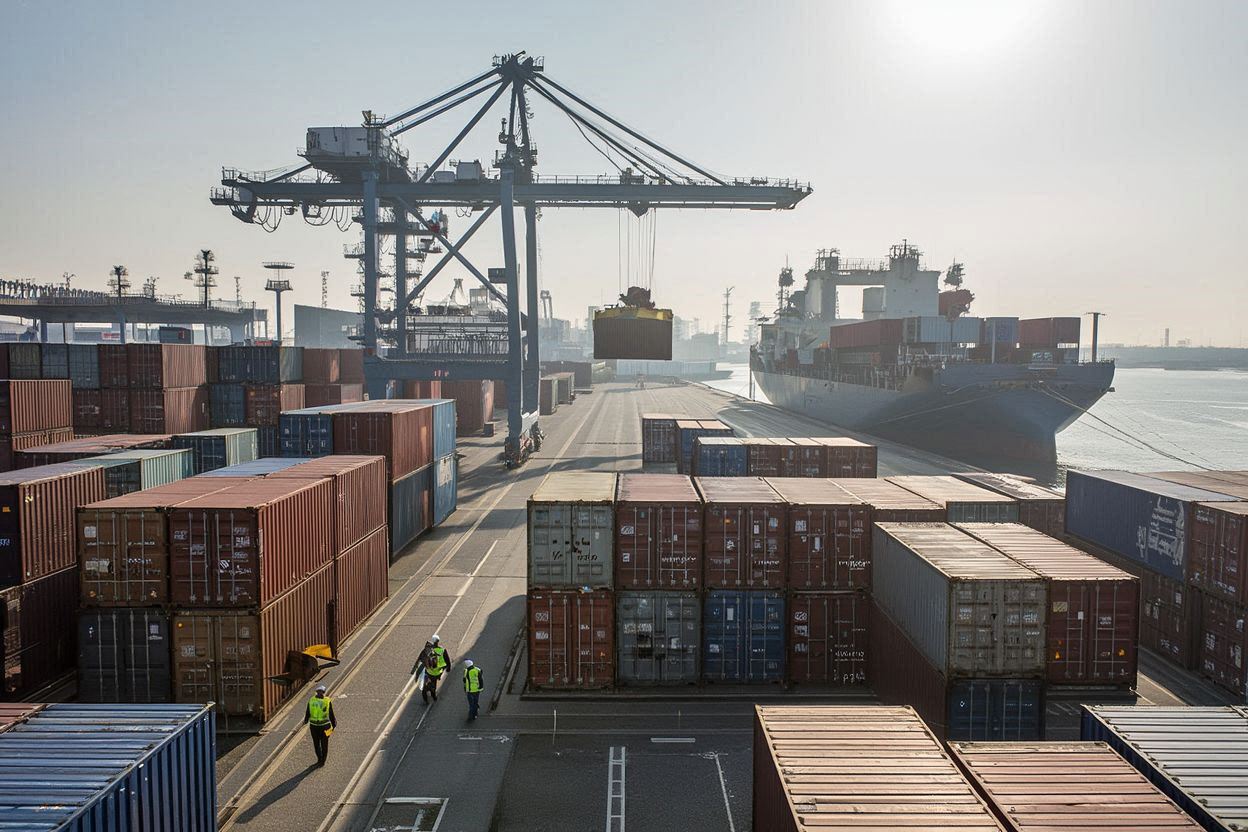
How to track your shisha charcoal shipment effectively is an important topic for importers, distributors, and hookah lounge owners who depend on reliable charcoal deliveries. In today’s global trade environment, charcoal shipments often travel thousands of kilometers and pass through several logistics stages before they reach the final destination. Therefore, businesses must implement proper tracking systems to maintain control over their supply chain.
Furthermore, international charcoal shipments usually involve multiple stakeholders, including manufacturers, freight forwarders, shipping lines, customs authorities, and warehouse operators. Because this network can become complex, businesses must monitor shipment progress carefully to avoid delays and maintain inventory stability.
For example, companies that purchase best charcoal for shisha products must observe shipping updates so containers arrive according to schedule. Additionally, importers can gain deeper insight into global charcoal logistics by exploring resources from indobriquettescharcoal.com, which provides useful information about manufacturing, export procedures, and international distribution.
Importance of Shipment Tracking
First of all, understanding how to track your shisha charcoal shipment effectively helps businesses maintain consistent supply chain operations. When companies know the exact location of their cargo, they can prepare warehouse space, schedule transportation, and coordinate deliveries more efficiently.
Moreover, shipment tracking reduces uncertainty during the transportation process. Without reliable tracking tools, businesses often struggle to determine whether cargo has departed, reached transit ports, or experienced delays. Consequently, poor visibility can create operational risks for distributors and hookah lounges that depend on steady charcoal supply.
International Shipping Process Overview
Before businesses implement tracking systems, they must understand how charcoal shipments move through global logistics networks. Generally, the process begins with production, where manufacturers carbonize coconut shells and process them into high-quality briquettes suitable for shisha or barbeque use. Many international buyers prefer working directly with a reliable coconut shell charcoal manufacturer because manufacturers can maintain consistent quality standards and provide export-ready products.
Next, manufacturers package the charcoal in durable cartons that protect the briquettes during transportation. Afterward, logistics teams load the cartons into shipping containers and transport them to export seaports. At the port, operators inspect documentation and prepare containers for vessel loading.
Using Container Tracking Systems

Many importers rely on container tracking systems to monitor cargo movement efficiently. Each shipping container carries a unique identification number that allows businesses to follow its journey across global shipping routes.
For instance, companies can enter the container number into online tracking platforms operated by shipping lines or logistics providers. As a result, they can view vessel schedules, port stops, and estimated arrival dates in real time.
Additionally, many shipping companies offer automated tracking notifications. These alerts notify importers when containers reach certain ports, depart from transit hubs, or experience schedule adjustments. Consequently, businesses can respond quickly and update their logistics planning.
Tracking With Bill of Lading

The bill of lading also serves as an essential document for shipment monitoring. This document records cargo details and confirms that the shipping company has received the goods for transportation.
Specifically, the bill of lading lists container numbers, cargo descriptions, exporter information, shipping routes, and destination ports. Because of this detailed information, importers can use the bill of lading number to track shipment status through logistics platforms.
Moreover, customs authorities rely on the bill of lading when they process import clearance. Therefore, businesses must maintain accurate documentation to avoid administrative delays.
Role of Freight Forwarders
Freight forwarders play a crucial role in international logistics coordination. They connect exporters, shipping companies, and importers to ensure cargo moves smoothly across borders.
In addition, freight forwarders regularly provide shipment updates and assist companies with container tracking. They also organize cargo bookings, prepare documentation, and coordinate transportation schedules.
Because of their experience in global logistics, freight forwarders help businesses reduce shipping risks and maintain efficient transportation operations.
Monitoring Ocean Freight Movement

After the vessel leaves the export port, importers must monitor ocean freight movement carefully. By checking vessel tracking systems regularly, companies can confirm that shipments remain on schedule and continue moving according to the planned shipping route.
In many cases, shipping routes include transit ports where operators transfer containers to another vessel. Therefore, importers must review tracking updates frequently to confirm that these transfers occur smoothly and that the cargo continues toward the destination without major delays.
For example, suppliers distributing best charcoal for shisha products often track shipments continuously throughout the voyage. At the same time, businesses frequently monitor logistics insights and export information through indobriquettescharcoal.com to improve shipment visibility and maintain reliable delivery schedules.
Preparing Customs Clearance Process
As the shipment approaches the destination port, importers should prepare customs documentation early. Proper preparation helps businesses avoid delays during inspection.
Furthermore, customs brokers assist companies by completing paperwork, calculating import duties, and communicating with regulatory authorities. Their expertise simplifies the customs clearance process significantly.
After authorities approve the documentation, logistics teams release the container from the port and transport it to warehouses or distribution centers.
Warehouse Inspection Procedures
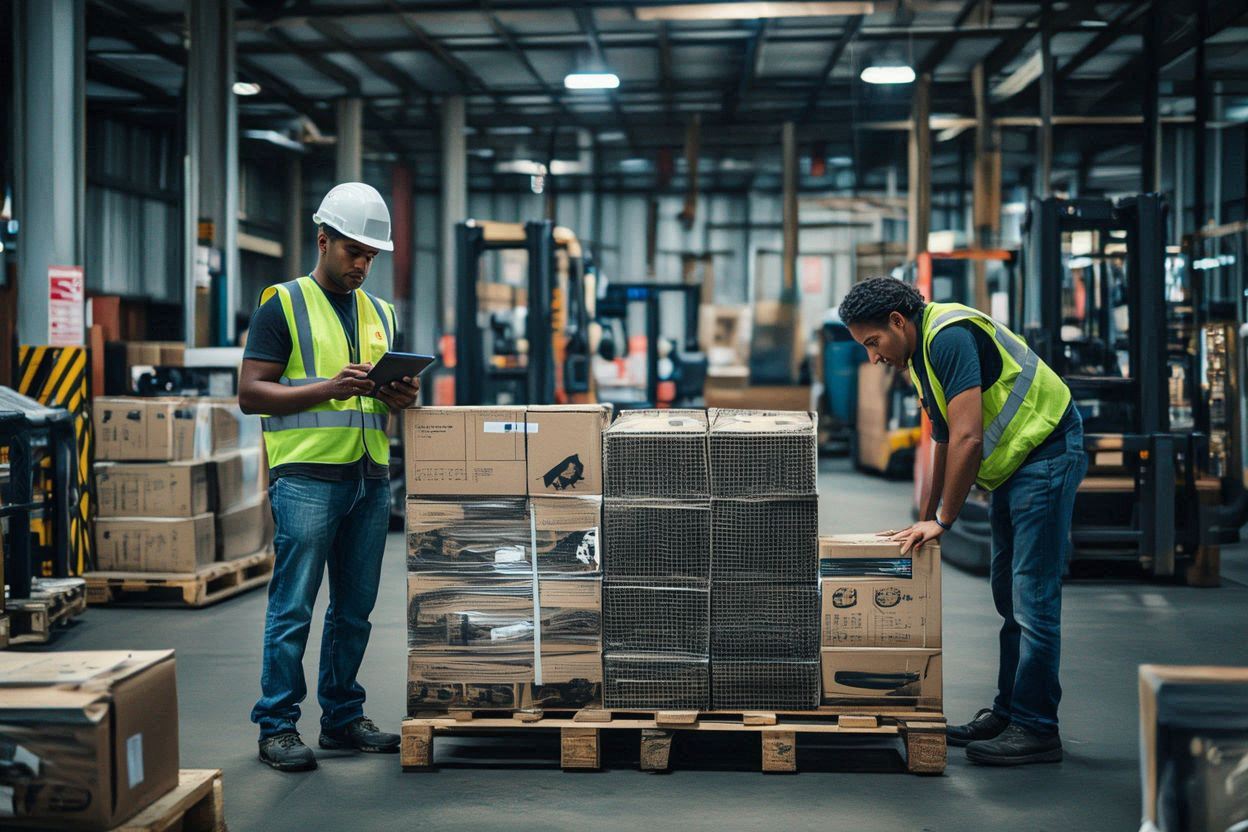
When the cargo arrives at the warehouse, companies perform inspection procedures to verify shipment quality and quantity. Inspection teams examine packaging conditions, charcoal density, and product consistency.
Additionally, warehouse staff compare the number of cartons with the shipping documents to confirm shipment accuracy. This verification step protects businesses from receiving incomplete or damaged cargo.
If teams identify any discrepancies, they immediately contact the supplier or freight forwarder. Quick communication helps companies resolve issues before the products enter the distribution chain.
Using Digital Logistics Platforms
Modern logistics companies increasingly use digital platforms to simplify shipment tracking. These platforms combine container tracking, vessel schedules, and documentation management within one interface.
Because businesses receive real-time shipment updates, they can monitor cargo movements more accurately and make better supply chain decisions.
Furthermore, digital systems allow exporters, freight forwarders, and importers to share shipment data easily. As a result, communication becomes faster and more transparent.
Challenges in Charcoal Shipping
Even with advanced tracking technology, international shipping still faces several operational challenges. For example, port congestion can delay vessel schedules, while severe weather conditions can disrupt shipping routes.
Additionally, customs authorities sometimes conduct extended inspections if documentation appears incomplete or requires verification. Therefore, businesses must always prepare for possible disruptions.
To reduce operational risks, many importers maintain safety stock or alternative supply arrangements. This strategy allows companies to continue distribution activities even if shipments arrive later than expected.
Practical Shipment Tracking Tips
Companies can improve logistics efficiency by combining several shipment monitoring methods. For instance, container tracking systems, bill of lading records, and freight forwarder updates together provide comprehensive shipment visibility.
At the same time, businesses should organize their documentation carefully. By storing invoices, packing lists, and container information in digital systems, companies can access shipment details whenever necessary.
Most importantly, companies should maintain open communication with logistics partners. Strong collaboration ensures accurate shipment updates throughout the transportation process.
Improving Supply Chain Visibility
Another important aspect of how to track your shisha charcoal shipment effectively involves improving overall supply chain visibility. When importers monitor every logistics stage carefully, they gain better control over inventory planning and distribution schedules.
For example, if weather disruptions or port congestion delay shipments, companies can adjust warehouse preparation and delivery schedules immediately. Consequently, they can minimize operational disruptions.
Choosing a Reliable Shisha Charcoal Supplier
Besides understanding how to track your shisha charcoal shipment effectively, businesses should also work with a trusted supplier that understands international export logistics. Reliable manufacturers can provide consistent charcoal quality, proper packaging, and complete export documentation required for global shipments.
For instance, working with an experienced coconut shell charcoal manufacturer helps importers secure stable product supply and maintain product standards for hookah lounges and distributors. Professional manufacturers usually support container loading, export documentation, and quality control procedures that simplify international shipping.
In addition, sourcing premium best charcoal for shisha products from trusted exporters helps businesses maintain consistent customer satisfaction and long-term supply reliability.
Conclusion
Ultimately, understanding how to track your shisha charcoal shipment effectively helps importers and distributors manage global logistics operations with greater confidence. Businesses that regularly purchase best charcoal for shisha products should maintain strong coordination with manufacturers, freight forwarders, and shipping companies to ensure stable delivery schedules.
If you are looking for a reliable supplier that understands international charcoal export and global logistics systems, you can explore premium charcoal products and export services through indobriquettescharcoal.com. Working with an experienced supplier helps ensure consistent quality, efficient shipping processes, and reliable long-term supply for your shisha charcoal business.