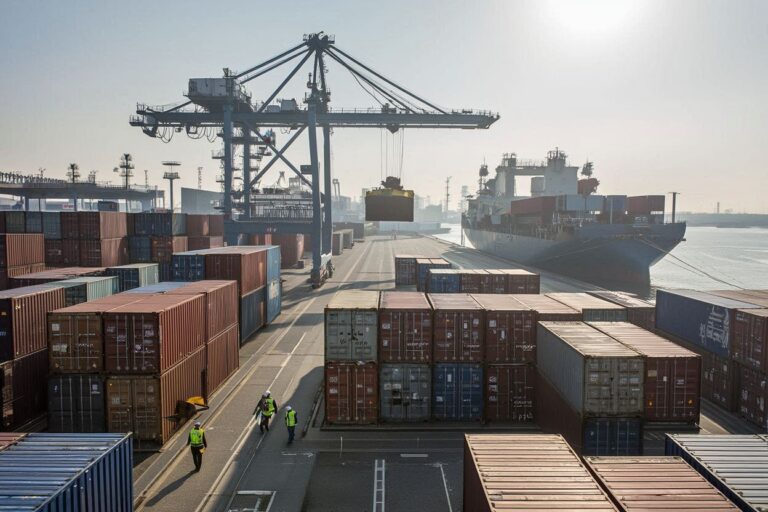

How to Export Coconut Charcoal Briquettes Overseas
Exporting coconut charcoal briquettes overseas is one of the most profitable opportunities in today’s renewable energy and shisha charcoal markets. As global demand increases for sustainable fuel alternatives, coconut shell charcoal briquettes from Indonesia continue to gain strong recognition due to their clean combustion, long burning time, and eco-friendly raw materials.
However, entering the international briquette export business requires proper preparation. Exporters must understand documentation requirements, packaging standards, logistics planning, certification compliance, and buyer expectations before shipping products abroad.
This guide explains step-by-step how to export coconut charcoal briquettes successfully and what preparations are required before entering global markets.
For export-ready premium products and specifications, you can explore coconut charcoal briquette solutions available at https://indobriquettescharcoal.com/ as a reference for international supply standards.
Understanding the Global Demand for Coconut Charcoal Briquettes
Before starting export activities, exporters must analyze international demand trends. Coconut shell charcoal briquettes are widely used across several industries, including:
- shisha and hookah charcoal markets
- barbecue fuel distribution
- hospitality and restaurant sectors
- eco-friendly energy industries
Currently, more than 100 countries import coconut charcoal briquettes from Indonesia, showing strong global demand for this renewable product.
This expanding market makes briquette export one of the most promising sectors for international trade expansion.
Step 1: Prepare Export-Quality Coconut Charcoal Briquettes
Product quality is the foundation of successful briquette export. International buyers expect consistent technical specifications such as:
- low moisture content
- minimal ash residue
- high fixed carbon percentage
- uniform shape and density
- odorless combustion performance
Export-grade briquettes are typically manufactured from 100% coconut shell charcoal with standardized cube dimensions such as 25×25×25 mm.
Maintaining consistent product quality increases acceptance among distributors and importers worldwide.
Step 2: Identify the Correct HS Code for Export
Using the correct HS code is essential for customs clearance and shipping classification.
Coconut shell charcoal briquettes are generally exported under:
HS Code 4402.90 – Wood charcoal including coconut shell charcoal briquettes.
This classification helps customs authorities identify the product category and determine regulatory requirements in destination countries.
Incorrect HS code usage can delay shipments and increase export risks.
Step 3: Register Your Company as an Official Exporter
Before exporting charcoal briquettes overseas, businesses must complete legal export registration requirements.
Typical exporter preparation includes:
- business license registration
- tax identification number
- exporter identification number
- customs access registration
Proper legal documentation ensures smooth customs clearance and builds trust with international buyers.
Companies with verified export status are more attractive to global distributors and wholesalers.
Step 4: Prepare Mandatory Export Documentation
Documentation plays a critical role in international shipping. Exporters must prepare complete paperwork before loading containers.
Essential export documents include:
- Commercial Invoice
- Packing List
- Bill of Lading (B/L)
- Certificate of Origin (COO)
- Export Declaration
These documents confirm shipment ownership, product details, and country of origin for customs authorities.
Incomplete documentation can cause delays at destination ports.
Step 5: Conduct Laboratory Testing and Quality Verification
International buyers often require laboratory verification before accepting shipments.
Typical export quality testing includes:
- ash content percentage
- moisture level verification
- fixed carbon measurement
- burning duration testing
Some markets also request Results of Analysis (ROA) from accredited laboratories to confirm product specifications meet international standards.
Quality testing improves credibility and strengthens long-term buyer relationships.
Step 6: Prepare Safe Export Packaging Standards
Proper packaging ensures briquettes remain intact during long-distance transportation.
Common export packaging includes:
- inner plastic sealing
- printed inner boxes
- master carton packaging
- palletized container stacking
Exporters typically ship briquettes using 20-foot containers depending on packaging configuration and shipment volume.
Well-structured packaging protects product integrity and enhances brand presentation.
Step 7: Understand Dangerous Goods Shipping Classification
Charcoal briquettes are sometimes categorized as self-heating cargo by shipping companies.
Because coconut charcoal briquettes fall under HS Code 4402.90, some carriers classify them as Dangerous Goods during sea freight transportation.
Exporters may therefore need:
- MSDS documentation
- Self-Heating Test results
- container safety declarations
Preparing these documents ensures shipping approval from freight carriers.
Step 8: Select the Right Shipping Method for Export
Sea freight is the most common shipping method for charcoal briquettes because it allows large-volume container transport.
Export logistics planning should include:
- port selection
- container availability
- shipping schedules
- freight forwarder coordination
- estimated transit time
Proper route planning ensures timely delivery to international buyers.
Working with experienced freight forwarders simplifies export procedures significantly.
Step 9: Identify Reliable Overseas Buyers
Finding international buyers is essential for expanding export opportunities.
Exporters can identify buyers through:
- B2B marketplaces
- international trade exhibitions
- distributor partnerships
- importer databases
- industry networking platforms
Trade intelligence data shows thousands of global importers actively purchase coconut charcoal briquettes each year.
Consistent quality increases repeat orders from overseas distributors.
Step 10: Negotiate Export Contracts and Payment Terms
Before shipping containers overseas, exporters must finalize commercial agreements with buyers.
Typical contract elements include:
- product specifications
- shipment quantity
- packaging details
- delivery timelines
- payment terms
Common international payment methods include:
- Letter of Credit (L/C)
- Telegraphic Transfer (T/T)
- advance deposit agreements
Clear agreements reduce financial risks during export transactions.
Step 11: Ensure Certification Compliance for Target Markets
Some countries require additional certification before allowing charcoal imports.
Examples include:
- Certificate of Origin (Form A or Form D depending on destination)
- laboratory analysis reports
- packaging compliance standards
- environmental compliance documentation
Proper certification ensures smooth customs clearance in destination countries.
Certified suppliers are generally preferred by international buyers.
Step 12: Complete Customs Clearance Before Shipment Departure
Before containers leave the port, exporters must submit final documentation to customs authorities.
Typical clearance documents include:
- invoice
- packing list
- export declaration
- certificate of origin
- bill of lading
Accurate documentation prevents shipment delays and avoids customs rejection.
Professional exporters always verify documentation before container loading.
Step 13: Monitor Shipment Progress and Maintain Buyer Communication
Export responsibility continues even after cargo leaves the port.
Professional exporters maintain communication by:
- tracking shipment progress
- providing container tracking numbers
- updating estimated arrival times
- preparing destination clearance documents
Strong communication increases buyer confidence and strengthens long-term partnerships.
Common Challenges in Exporting Coconut Charcoal Briquettes
Although exporting briquettes offers strong business potential, exporters must anticipate several challenges:
- strict shipping documentation requirements
- dangerous goods classification issues
- container availability fluctuations
- certification compliance differences between countries
- maintaining consistent production quality
Understanding these challenges helps exporters prepare effective solutions before shipping internationally.
Tips for Building a Successful Briquette Export Business
To succeed in global charcoal markets, exporters should focus on:
- maintaining consistent product quality
- preparing complete export documentation
- understanding international regulations
- choosing reliable logistics partners
- building strong buyer relationships
Companies that maintain professional export standards are more likely to secure long-term contracts with global distributors.
Conclusion
Exporting coconut charcoal briquettes overseas is a highly promising business opportunity when supported by proper preparation, documentation, and logistics planning. From selecting the correct HS code to ensuring certification compliance and packaging standards, each step plays a critical role in successful international shipment operations.
With growing global demand for eco-friendly fuel alternatives, Indonesian coconut charcoal briquettes continue to expand their presence across international markets. Businesses that prepare carefully and maintain consistent quality standards can build sustainable long-term export partnerships worldwide.
To explore export-grade coconut charcoal briquettes and supply capabilities, visit
https://indobriquettescharcoal.com/