How to Export Briquettes from Indonesia Step by Step Guide
Indonesia has become one of the most important suppliers of briquettes, particularly coconut shell charcoal briquettes, in the global market. The increasing popularity of eco-friendly fuel alternatives has driven strong demand from regions such as the Middle East, Europe, and North America. As a result, many entrepreneurs are now exploring export opportunities in this sector, making it essential to understand how to export briquettes from Indonesia effectively in order to compete and succeed in international markets.
Understanding how to export briquettes from Indonesia is not only about shipping goods overseas. It involves complying with legal requirements, maintaining consistent product quality, and managing logistics efficiently. Without proper knowledge, exporters may face delays, financial losses, or even rejected shipments.
This comprehensive guide is designed to help beginners and business owners navigate the export process step by step. By following these guidelines, you can build a strong foundation for entering the international briquette market with confidence and professionalism.
Understanding How to Export Briquettes from Indonesia in the Global Market
Before starting the export process, it is essential to understand the characteristics of the global briquette market. Coconut shell briquettes are widely used for shisha, barbecue, and heating purposes. Buyers are increasingly looking for products that are environmentally friendly, long-lasting, and produce minimal ash.
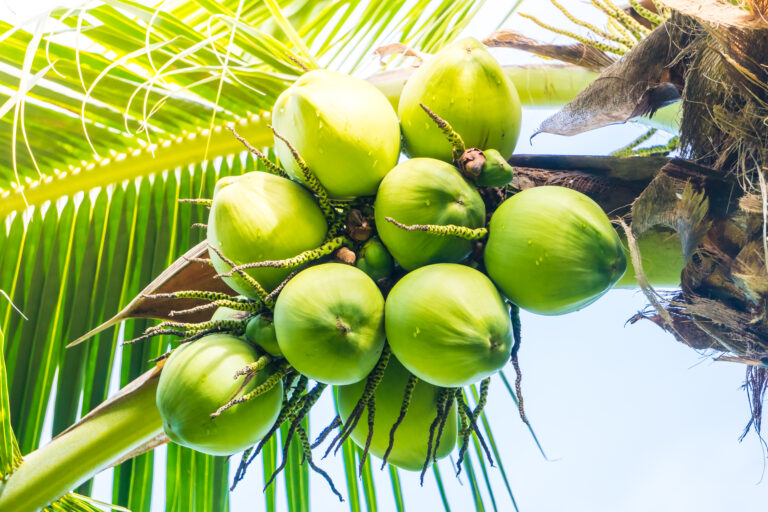
Indonesia has a strong competitive advantage due to its abundant coconut resources and experienced workforce. However, competition is also growing, with many suppliers offering similar products. This means you need to differentiate your brand through quality, reliability, and service.
Market research plays a crucial role in this stage. You should identify target countries, analyze pricing trends, and understand import regulations in each destination. Some markets may require specific certifications or packaging standards, so gathering this information early will save time and prevent complications later.
Step 1 Register Your Business for Exporting Briquettes from Indonesia

The first and most important step is to ensure your business operates legally. In Indonesia, exporters must have proper documentation to engage in international trade. This typically includes a registered company entity such as a PT or CV, along with a Business Identification Number (NIB).
Additionally, you will need an Export Identification Number (API) to conduct export activities. These legal requirements are mandatory and ensure that your business complies with government regulations. Without them, you will not be able to process shipments through customs.
Legal registration also increases your credibility in the eyes of international buyers. Many importers conduct background checks before entering into agreements, so having complete documentation will make your business appear more trustworthy and professional.
Step 2 Ensure Product Quality Standards
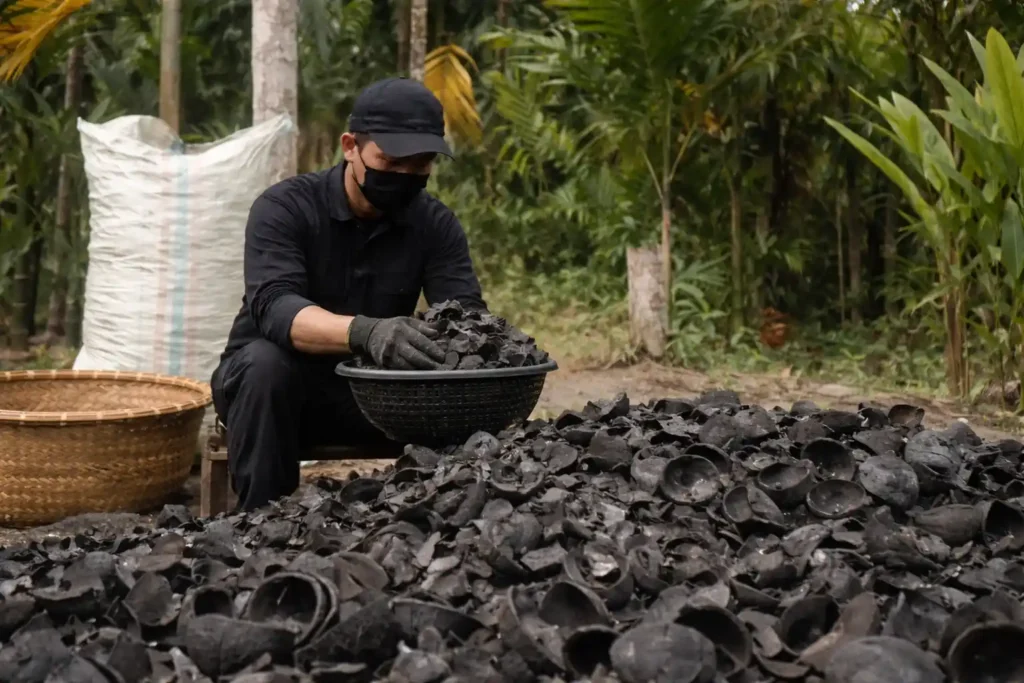
Product quality is one of the most critical factors in exporting briquettes. International buyers expect consistent performance, especially when the briquettes are used for shisha or premium barbecue applications.
Key quality indicators include low ash content, low moisture levels, high fixed carbon, and long burning time. These specifications directly affect the user experience and determine whether buyers will place repeat orders.
To maintain high standards, you should implement strict quality control procedures throughout the production process. Regular laboratory testing can help verify that your products meet international requirements.
When presenting your products to potential clients, you can highlight their benefits through clear descriptions. For example, you can showcase your coconut shell charcoal briquettes , which provides detailed information and helps build trust with prospective buyers.
Consistency is essential. Even small variations in quality can lead to customer dissatisfaction, so maintaining uniform production standards is a long-term investment in your business reputation.
Step 3 Documentation Required to Export Briquettes from Indonesia

Export documentation is a crucial part of the process and must be handled carefully. Each document serves a specific purpose and ensures that your shipment complies with international trade regulations.
The main documents required include a commercial invoice, packing list, and bill of lading. The commercial invoice outlines the transaction details, while the packing list provides information about the contents of the shipment.
You may also need a Certificate of Origin to confirm that the goods are produced in Indonesia. Depending on the destination country, additional documents such as fumigation or phytosanitary certificates might be required.
Errors or missing documents can cause delays or even result in penalties. Therefore, it is important to double-check all paperwork before submitting it to customs authorities.
Step 4 Find International Buyers
Finding reliable buyers is a key step in building a successful export business. There are several effective ways to connect with international clients, including online B2B platforms, social media marketing, and participation in trade exhibitions.
Digital platforms allow you to showcase your products to a global audience. By creating professional listings with clear images and detailed descriptions, you can attract potential buyers more effectively.
Direct communication is equally important. Responding quickly to inquiries and providing accurate information will create a positive impression. Building trust at this stage increases the likelihood of securing long-term business relationships.
Step 5 Negotiate Terms and Pricing

Once you have identified a potential buyer, the next step is negotiation. This stage involves agreeing on product specifications, pricing, payment methods, and delivery terms.
Understanding Incoterms is essential because they define the responsibilities of both the exporter and the importer. Common terms include FOB, CIF, and EXW, each with different cost and risk allocations.
Clear and transparent communication during negotiations helps prevent misunderstandings. It also ensures that both parties are aligned on expectations, which is crucial for a smooth transaction.
Step 6 Arrange Production and Packaging
After finalizing the agreement, you need to prepare the goods for shipment. Production should follow the agreed specifications, and quality checks must be conducted before packaging.
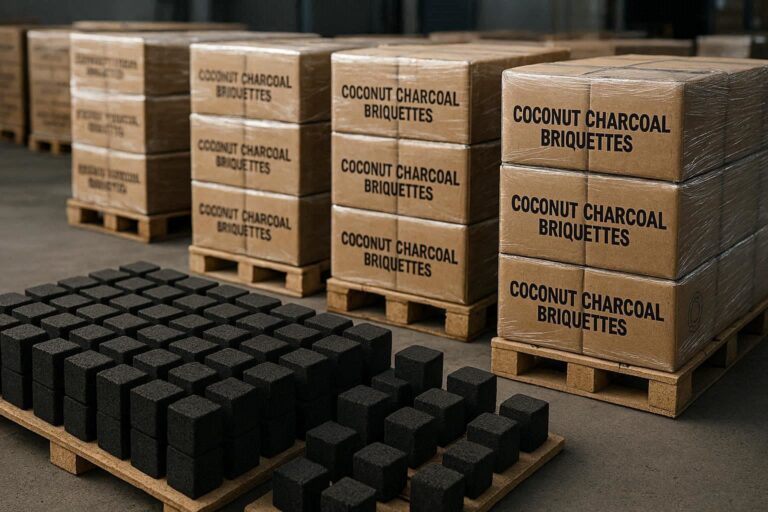
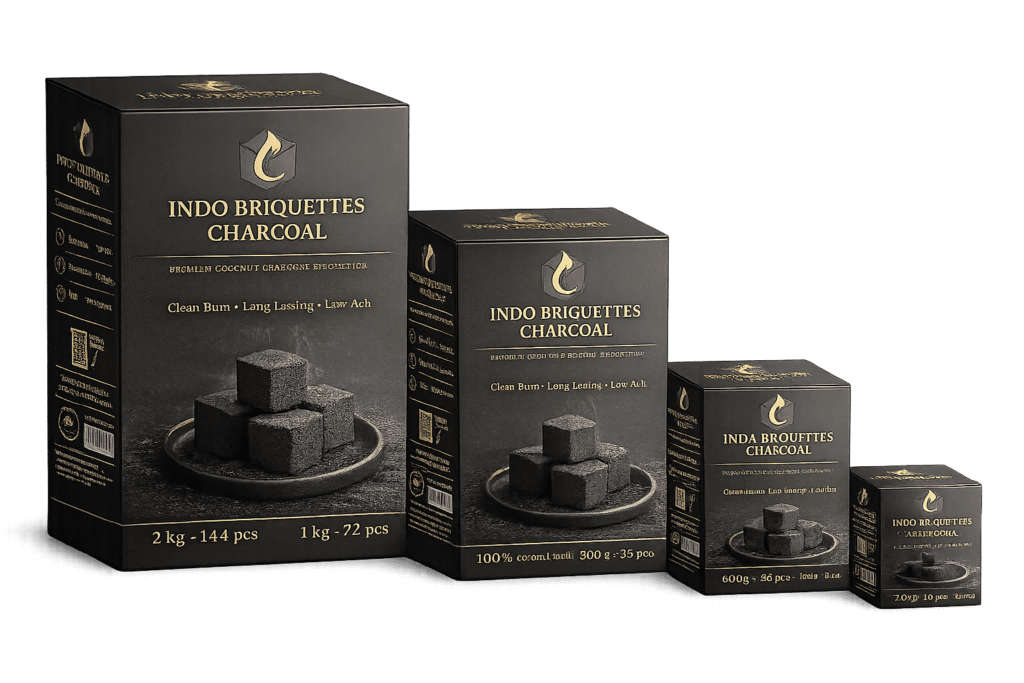
Packaging plays a significant role in protecting the briquettes during transportation. Standard packaging usually includes inner plastic wrapping, outer cartons, and palletization for container loading.
Good packaging not only ensures product safety but also enhances your brand image. Professional presentation can leave a lasting impression on buyers and increase the perceived value of your product.
Step 7 Shipping Methods for Exporting Briquettes from Indonesia

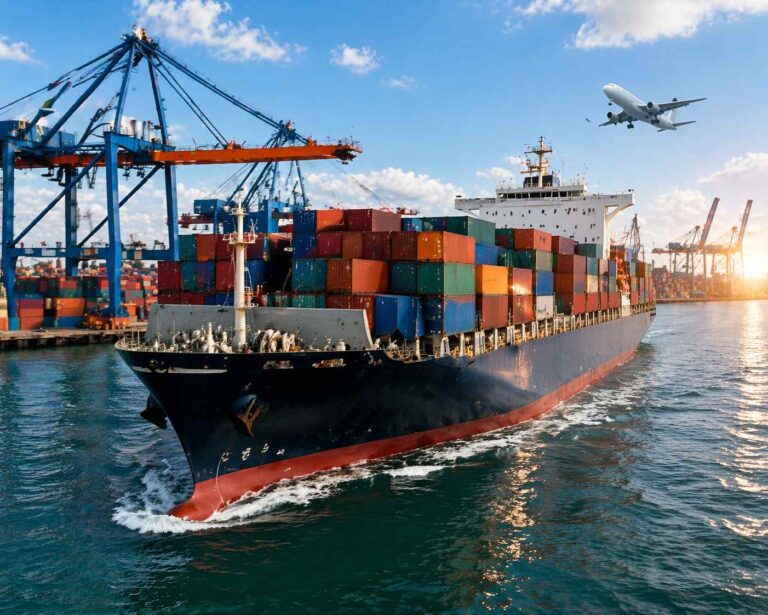
Shipping is a major component of the export process. Briquettes are typically transported via sea freight due to their bulk and weight. Choosing between Full Container Load (FCL) and Less than Container Load (LCL) depends on the size of your shipment.
FCL is more suitable for large orders, as it offers better cost efficiency and reduced handling risks. LCL, on the other hand, is ideal for smaller shipments but may involve longer transit times.
Working with an experienced freight forwarder can simplify the shipping process. They can assist with booking vessels, managing documentation, and coordinating logistics to ensure timely delivery.
Step 8 Handle Customs Clearance
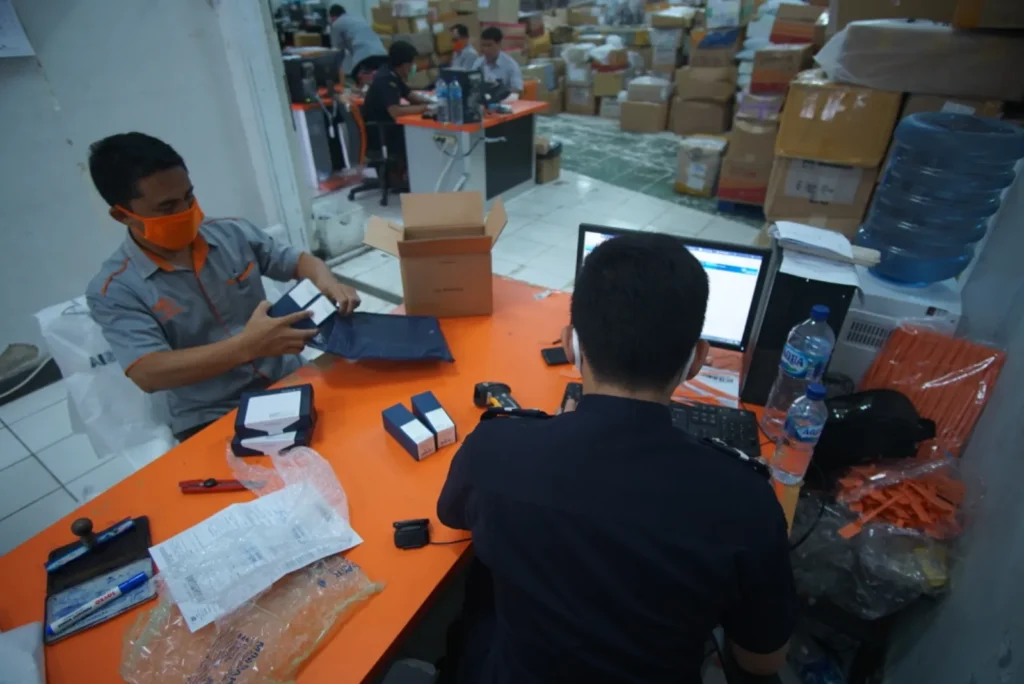
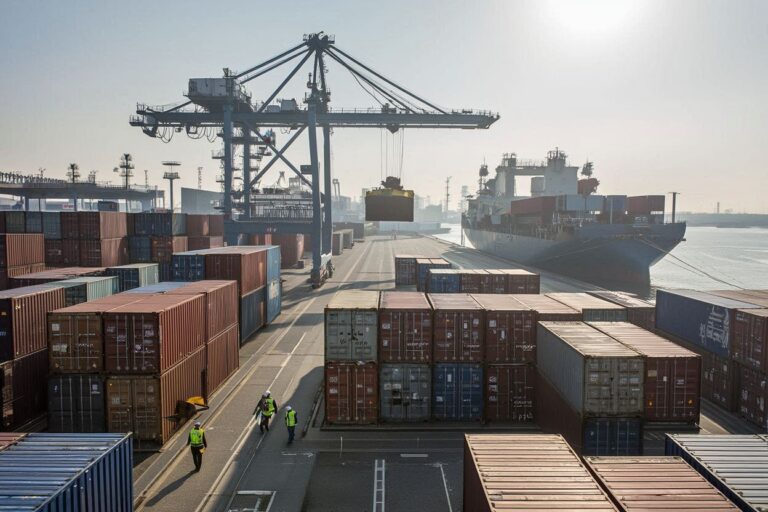
Customs clearance is an essential step that requires careful attention to detail. You must submit all necessary documents and comply with both Indonesian export regulations and the import requirements of the destination country.
A customs broker or freight forwarder can help streamline this process. They ensure that your shipment meets all legal requirements and passes inspection without issues.
Delays in customs clearance can affect delivery schedules and damage your reputation. Therefore, accuracy and compliance are critical at this stage.
Step 9 Manage Payment Securely

Payment management is a crucial aspect of exporting. Since international transactions involve risks, choosing secure payment methods is essential.
Common options include Telegraphic Transfer and Letter of Credit. For new buyers, requesting a deposit before production begins can reduce financial risk. As trust develops, you can negotiate more flexible payment terms.
Verifying the credibility of your buyers is also important. Conducting background checks and reviewing their business history can help you avoid potential fraud.
Step 10 Build Long Term Relationships

Building strong relationships with buyers is key to sustaining your export business. Repeat orders are often more profitable than acquiring new customers, so maintaining good communication is essential.
You can strengthen relationships by consistently delivering high-quality products, meeting deadlines, and providing excellent customer service. Simple actions such as regular follow-ups and updates can make a significant difference.
Long-term partnerships also open opportunities for larger orders and market expansion. By focusing on customer satisfaction, you can create a stable and growing export business.
Additional Tips for Successful Briquette Export
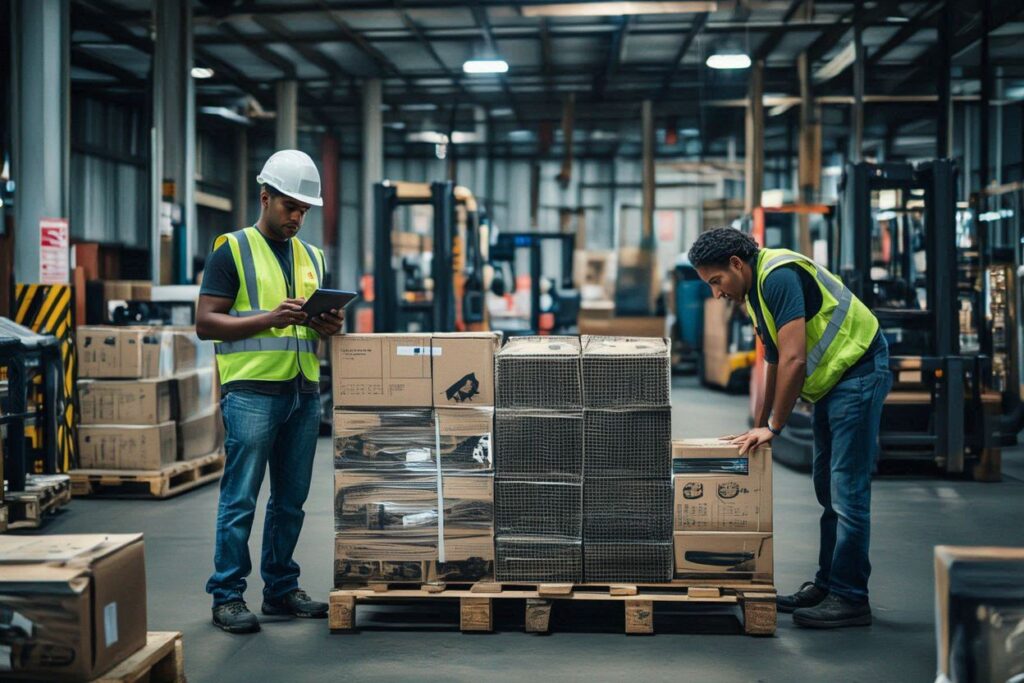
To further improve your export performance, consider investing in branding and marketing. A professional website, attractive packaging, and clear product descriptions can enhance your market presence.
Staying informed about global trends is equally important. Changes in regulations, shipping costs, or consumer preferences can impact your business, so adapting quickly will give you a competitive advantage.
You should also consider obtaining certifications that add value to your products. Certifications related to sustainability or quality assurance can increase buyer confidence and justify higher pricing.
Networking with industry professionals can provide valuable insights and opportunities. Joining export communities or attending trade events can help you expand your connections and gain new clients.
Conclusion on How to Export Briquettes from Indonesia Successfully
Learning how to export briquettes from Indonesia requires careful planning and execution. From legal registration and quality control to documentation and logistics, each step plays a vital role in ensuring successful international trade.
Although the process may seem complex, it becomes more manageable with experience and the right support system. By focusing on quality, professionalism, and customer satisfaction, you can build a strong reputation in the global market.
Indonesia’s position as a leading briquette producer offers significant opportunities for exporters. With the right strategy and commitment, you can tap into this growing industry and achieve long-term success in international business.